


Hot vs Cold Wallets: What are Hot and Cold Crypto Wallets?
Crypto betting's on fire in 2025, with the market pushing past $81 billion in revenue and more players chasing those multiplier highs on sites like Aviator or Spaceman. But here's the real talk: nailing the bet is half the battle. Stashing your winnings safely? That's where hot and cold wallets come in. Hot wallets keep things fast for jumping back into action, while cold setups lock it down offline like a vault. No more sweating hacks or lost keys after a big payout. Whether you're a daily grinder or a long-haul holder, understanding the split helps you play smart. Dive into our breakdown of hot vs cold wallets in 2025, plus tips to pick what fits your Buzztap grind.
Hot Wallets: Speed and Everyday Access
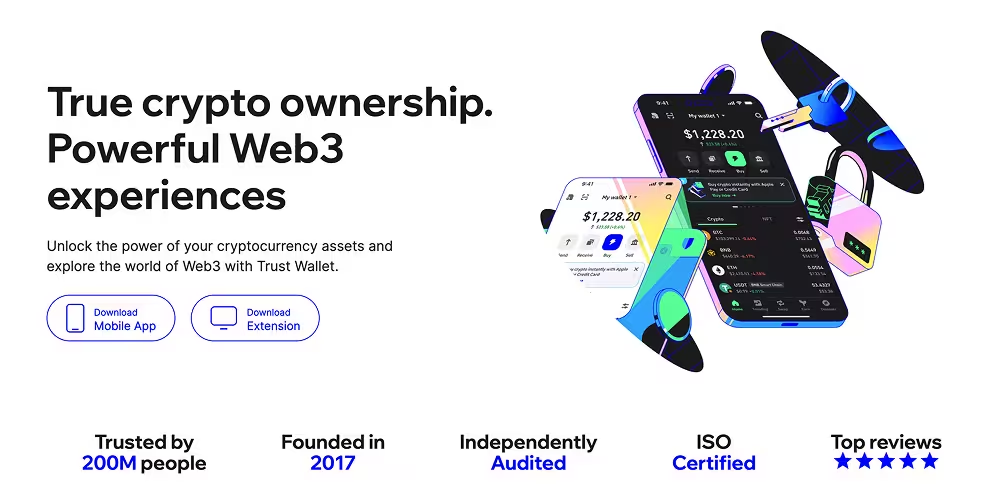
Hot wallets stay connected online, making them perfect for quick deposits, bets, or transfers right from your phone or browser. Think firing up a slots session or cashing out mid-UFC fight without missing a beat. They're software-based, like apps or extensions, and sync seamlessly with betting platforms. In 2025, with DeFi and staking booming, hot wallets handle the daily hustle but come with risks from being internet-tied. Still, they're free or cheap, user-friendly, and great for smaller stacks you move often.
Key information:
Type - Software (mobile, desktop, browser extensions)
Best For - Frequent trading, quick bets, DeFi interactions
Security Level - Medium (vulnerable to hacks if not careful)
Cost - Mostly free
Top Examples - MetaMask, Coinbase Wallet, Trust Wallet
Cold Wallets: Offline Fortress for Big Wins
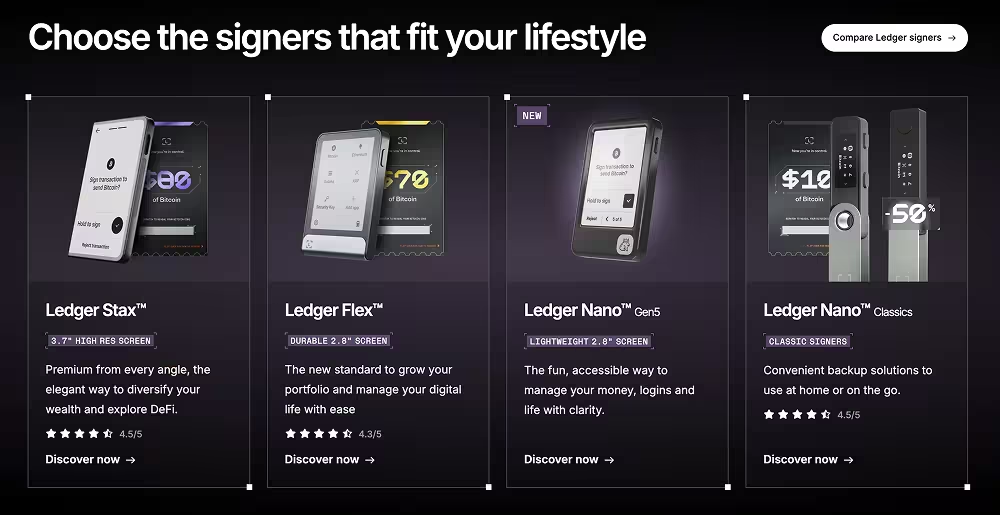
Cold wallets go fully offline, storing your private keys away from the web on hardware like USB devices or even paper prints. Think of it as a safe in your home where you can store your wealth. They're built for HODLing those fat payouts from crash games or blackjack runs, shielding against online threats like phishing or malware. Setup takes a bit more effort, and you'll need to connect briefly for transactions, but the peace of mind is worth it. By 2025, hardware options have gotten sleeker with better battery life and multi-coin support, making them a staple for anyone serious about long-term security.
Key information:
Type - Hardware (USB, cards) or paper
Best For - Long-term storage, high-value holdings
Security Level - High (immune to remote attacks)
Top Examples - Ledger Nano X, Trezor Model T
Cost - $50 to $200
Secure with Cold - Explore Ledger Here
Hot vs Cold: The Head-to-Head Breakdown
So which one's your move? It depends on your style. Hot wallets shine for convenience but trade some safety for speed, while cold ones flip that for top-tier protection at the cost of quick access. Smart players mix both: hot for active betting funds, cold for the bulk of your stack. In 2025, trends like multi-party computation (MPC) are blurring lines, letting you get cold-level security with hot ease on advanced setups. Here's a quick side-by-side to sort it out.
Bottom line: If you're grinding small stakes daily, start hot. For storing those 100x wins? Go cold. At Buzz Tap, we recommend a hybrid to keep your edge sharp and your crypto safe.
Trusted Online Casinos
Our partnered brands offer new player bonuses, giving you some extra cash to get you started.
Read more about trusted online casinos, or head straight to the website to register and claim your boosted welcome package!